
The Impact of Automated Trading on Financial Markets
Crypto Market Integrity and Ethics
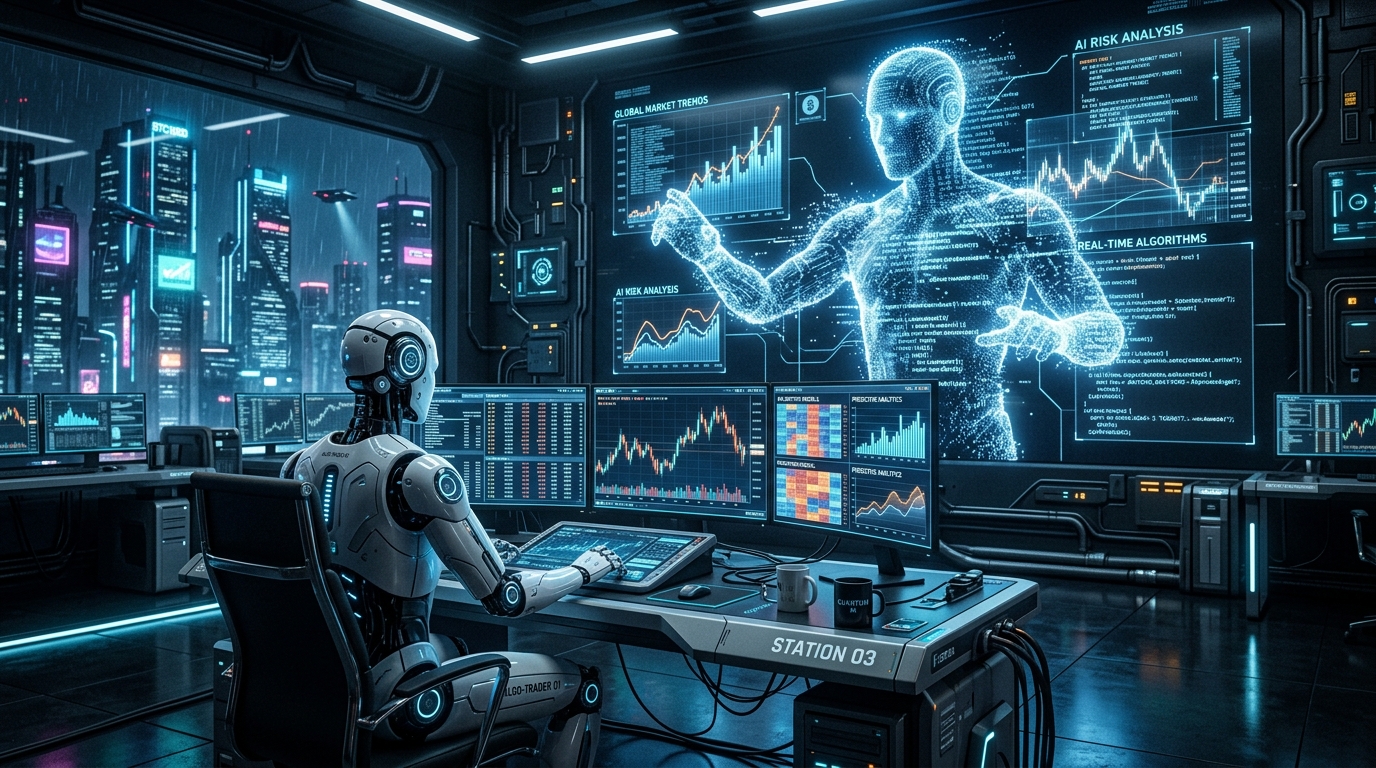
The rise of automation in financial markets is revolutionising trading practices. Beginning from basic algorithmic trading, we now witness the emergence of intricate machine-learning frameworks that are vital for both institutional and individual traders. This article delves into the transformative effects of automated trading on financial markets, highlighting essential technologies, strategies, advantages, hurdles, and the ethical implications of this significant shift.
Understanding Automated Trading
Automated trading involves leveraging computer algorithms to execute trades automatically, based on pre-set criteria without human oversight. These systems assess market conditions instantaneously, making trading decisions with a speed and precision that far surpasses human capabilities. The journey of automated trading began in the late 1970s with basic rule-based systems, evolving into advanced platforms that now integrate artificial intelligence (AI) and machine learning techniques.
Technology's Influence on Automated Trading
The evolution of automated trading is deeply intertwined with advancements in technology. Artificial intelligence and machine learning empower trading platforms to evolve, recognizing trends and fine-tuning strategies over time. High-frequency trading (HFT) has transformed the landscape, executing numerous trades in fractions of a second to leverage tiny price variations. The advent of cloud technology, extensive data analysis, and enhanced network capabilities has allowed traders to implement these sophisticated algorithms worldwide, granting them access to financial markets around the clock with minimal delays.
Understanding Automated Trading Systems
Automated trading systems operate through algorithms—structured sets of rules and directives crafted in various programming languages. These systems can vary from straightforward rule-based approaches, such as purchasing when a cryptocurrency hits a designated value, to intricate AI-enhanced models that analyze past data to forecast future market behaviours.
Categories of automated trading systems include:
- Algorithmic Trading Systems: Initiate trades based on established, specific conditions.
- AI-Enhanced Trading Solutions: Evolve and refine through ongoing analysis of extensive datasets, ensuring optimal trading decisions.
- Integrated Trading Approaches: Merge traditional rule-based methods with advanced machine learning techniques for superior outcomes.
- blog_three_question_4.subtitle_4: blog_three_question_4.desc_4
Varieties of Automated Trading Techniques
Every technique is built on complex algorithms and demands meticulous calibration alongside risk assessment.
In the realm of automated trading, various strategies are employed based on prevailing market dynamics and specific objectives. Notable examples include:
- Arbitrage Techniques: These take advantage of discrepancies in pricing between different markets or exchanges.
- Momentum Trading Strategies: These concentrate on capitalising on existing market trends, purchasing during price surges and liquidating during downturns.
- Mean Reversion Approaches: Leverage the expectation that asset values will return to their average levels following significant fluctuations.
- Liquidity Provision Techniques: Generate revenue from the difference between buying and selling prices by executing concurrent orders.
Advantages of Automated Trading Systems
Maximising Your Crypto Trading Potential with Vertex Inviolex In an increasingly digital economy, leveraging the benefits of cryptocurrency trading can significantly enhance your investment portfolio. Vertex Inviolex provides a robust platform that empowers Australian traders to access a diverse range of cryptocurrencies with ease and efficiency. The user-friendly interface is designed to cater to both novice and experienced traders, ensuring that all users can navigate the complexities of the crypto market seamlessly. With advanced trading tools and real-time market data, Vertex Inviolex enables you to make informed decisions, allowing for strategic entry and exit points. The platform also offers competitive fees, ensuring that your trading activities remain cost-effective. Additionally, with enhanced security measures in place, you can trade with peace of mind, knowing that your assets are protected. By choosing Vertex Inviolex, you are not just participating in a financial trend; you are positioning yourself at the forefront of a revolution that is reshaping the way we view currency and investment. Embrace the future of finance and unlock your trading potential today.
Automated trading systems provide numerous benefits compared to traditional approaches. Notable advantages include:
- Rapid Execution: Advanced algorithms can perform trades at lightning speed, seizing fleeting opportunities that human traders might overlook.
- Minimization of Errors: Automated trading tools remove the influence of emotions and biases, resulting in more reliable and accurate trading outcomes.
- Around-the-Clock Trading: These sophisticated systems function non-stop, guaranteeing that traders can take advantage of every market movement.
- Simulation and Refinement: Prior to executing trading techniques, investors can evaluate them against past market trends, enhancing efficacy while reducing exposure to potential losses.
Dangers and Obstacles of Automated Trading
Maximise Your Trading Potential with Vertex Inviolex Engaging in cryptocurrency trading through Vertex Inviolex offers unparalleled advantages for Australian investors. The platform is designed to empower users by providing access to a diverse range of cryptocurrencies, enabling you to diversify your portfolio effectively. With advanced trading tools and real-time market data, you can make informed decisions that align with your financial goals. Vertex Inviolex also prioritises user experience, offering an intuitive interface that caters to both novice and seasoned traders. The ability to execute trades swiftly ensures that you can capitalise on market movements as they occur. Additionally, the platform's robust security measures safeguard your assets, allowing you to trade with confidence. Join the growing community of Australian traders who are harnessing the benefits of cryptocurrency trading with Vertex Inviolex. Experience the potential for significant returns while navigating the dynamic digital currency landscape.
Although automated trading presents numerous advantages, it also carries inherent risks. Significant challenges include:
- Fluctuation Risks in the Market: Automated trading systems can heighten market volatility, particularly during unexpected downturns or sudden sell-offs, where swift, large-scale liquidations may spiral uncontrollably.
- Sudden Market Declines: A significant instance occurred in 2010 when a rapid algorithm-driven event caused a dramatic market drop, erasing billions in mere moments.
- Systemic Glitches: Technical malfunctions, system outages, or coding errors can lead to considerable financial repercussions.
- blog_three_question_7.subtitle_4: blog_three_question_7.desc_4
The Influence of Automated Trading on Global Financial Markets
The advent of automated trading has revolutionised market dynamics, enhancing both liquidity and operational efficiency. By facilitating rapid and frequent transactions, it has led to a notable increase in liquidity across diverse asset classes. Nevertheless, this shift towards automation is reducing the demand for traditional human traders, as machines increasingly assume roles that were once reliant on human expertise, thereby transforming the financial employment landscape.
Automated Trading Across Various Asset Classes
Automated trading platforms showcase remarkable adaptability, functioning across multiple markets, including:
- Stocks: Algorithms designed for stock trading are among the most sophisticated, utilised by both institutional investors and retail traders.
- Foreign Exchange: Automated trading systems have revolutionized the cryptocurrency landscape, swiftly adapting to market shifts and news events.
- Resources: From precious metals to energy sources, resource markets thrive on automated strategies that capitalize on price fluctuations and market inefficiencies.
- Digital Currencies: The dynamic nature of digital currencies, operating around the clock, makes them ideal for automated trading systems that can react instantly to market movements.
Navigating Regulatory Landscapes
The oversight of automated trading practices is vital for maintaining a balanced market environment. Regulatory entities such as ASIC and the RBA have established guidelines to mitigate risks and promote transparency. Yet, as AI technologies evolve, these authorities encounter difficulties in adapting their frameworks. Moreover, ethical dilemmas emerge, especially in safeguarding against algorithmic market manipulation.
How Major Investors Are Utilizing Automated Trading Systems
Major investors, including hedge funds and proprietary trading houses, increasingly depend on automated trading systems to secure competitive advantages. Quantitative analysts, or 'quants,' create intricate models that leverage extensive data, artificial intelligence, and machine learning to exceed conventional trading tactics. Numerous hedge funds attribute significant portions of their achievements to these automated solutions, akin to the renowned Medallion Fund by Renaissance Technologies.
Automated Trading Opportunities for Everyday Investors
Recent technological breakthroughs have opened the door for everyday investors to engage in automated trading. Platforms like IG and CMC Markets provide straightforward access to trading bots, while social trading networks enable users to replicate the strategies of proficient traders. Retail investors can also design or acquire bespoke trading bots to streamline their trading approaches.
The Evolution of Automated Trading
As artificial intelligence and machine learning advance, the complexity of automated trading solutions will likewise increase. The nascent field of quantum computing offers a glimpse into a future where vast datasets can be processed at unprecedented speeds, potentially transforming trading landscapes. In the coming decade, we anticipate that automation will permeate various financial sectors, diminishing reliance on human decision-making.
Ethical Implications of Automated Trading
Transparency plays a vital role in maintaining fairness within automated trading frameworks. It is essential for algorithms to be structured in a way that curtails market manipulation and promotes equal access to trading opportunities. Striking a balance between the advantages of automation and the necessity for ethical standards in the marketplace remains a persistent challenge for regulators and participants alike.
Insights from Automated Trading Incidents
- 2010 Flash Crash: This incident underscored the inherent risks associated with automated trading systems, as algorithms activated widespread sell-offs that resulted in a dramatic market decline within mere minutes.
- Success Narratives: Investment firms such as Macquarie Group and AHL have harnessed the power of automation to consistently surpass market expectations, establishing new standards in finance.
Common Queries (FAQs)
- 1. What is algorithmic trading? Algorithmic trading involves the deployment of computer algorithms to carry out trades automatically, minimizing human involvement.
- 2. What distinguishes high-frequency trading from traditional trading? High-frequency trading executes numerous transactions in mere seconds, leveraging minor fluctuations in market prices for profit.
- 3. Is automated trading completely devoid of risk? Not at all; while automated trading minimizes human errors, it still carries risks like technical glitches and unpredictable market shifts.
- 4. Are retail investors able to engage in automated trading? Absolutely, many platforms offer retail investors the chance to develop or implement automated trading strategies.
- 5. How do authorities oversee automated trading practices? Regulatory authorities employ an array of oversight mechanisms, encompassing real-time monitoring systems and established regulatory frameworks.
- 6. Which technologies are essential for automated trading systems? Essential technologies comprise artificial intelligence, machine learning algorithms, cloud infrastructure, and ultra-fast internet connectivity.
Conclusion: The Transformative Journey of Financial Markets through Automation
Automated trading is reshaping financial landscapes, delivering enhanced efficiency, accelerated transaction speeds, and advanced strategic options. With advancements in AI, machine learning, and quantum computing, the future of automated trading hinges on its capacity to innovate while ensuring market integrity.